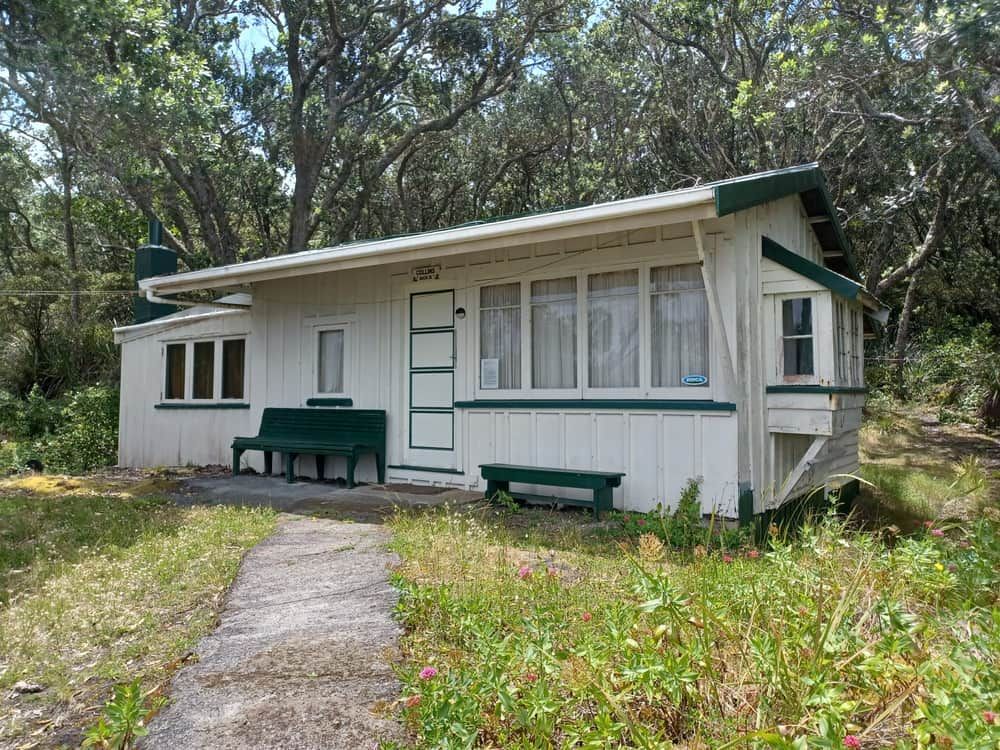
If the business needs money for a defined stretch and you’d like to keep the bach, borrowing against it usually beats selling it. A holiday home can secure a business loan by first or second mortgage, even if there’s already a loan on it. Selling makes more sense when the need is permanent or the bach no longer gets used. The real test is how the money comes back.
That’s the short version. The longer one is worth reading, because the bach decision is rarely just about money. It’s about summers, family, and sometimes three generations of names carved into the deck. Here’s how the specialist end of the lending market thinks about it, and the angles most owners only hear about after they’ve already listed.
Why does the bach end up in this conversation?
For a lot of New Zealand business owners, the bach is the asset with the most unencumbered equity. The family home carries the big mortgage. The business assets are already pledged to the bank under a general security agreement. The bach, bought years ago in Ōhope, Mangawhai or Lake Hāwea, has quietly gone up in value with little or no debt on it.
So when the business needs $150k for stock, a fit-out, an IRD bill or a contract that pays late, the bach is the obvious place to look. The first instinct is often to sell it. The second, usually from an accountant or a friend in business, is “can’t you just borrow against it?”
Both are real options. They suit different situations.
Selling versus borrowing: what actually changes?
| Selling the bach | Borrowing against the bach | |
|---|---|---|
| Speed to cash | Weeks to list and market, then settlement, often 2–4 months in total | Property-secured loans can fund within 24 hours of approval in some cases |
| Keep the bach? | No | Yes |
| Cost | Agent’s commission, marketing, legal fees, possibly tax | Interest and lender fees for the term of the loan |
| Timing risk | You sell into whatever the market is doing that month | You choose if and when to sell later |
| Reversible? | Not really | Yes: repay the loan and the mortgage is discharged |
| Best for | A permanent capital need, or a bach that’s become a burden | A defined gap with a clear way to repay |
The column people underestimate is timing. Holiday-home markets in small towns can be thin, with few buyers at any given moment. Listing because the business needs cash by a particular date puts you in a weak negotiating position, and buyers can usually tell.
How do lenders look at a bach as security?
Banks lend against holiday homes all the time when the borrower is buying one. Where things slow down is when the bach is being used to fund a business. The file now involves residential security, a commercial purpose, and sometimes a property in a small market the bank’s policy treats cautiously. That’s three sets of rules that each half-fit.
Non-bank and private lenders ask simpler questions:
- What would it sell for, and how fast? A registered valuation from a valuer who knows that local market. A bach in a popular beach town with regular sales is easier than a one-off on a remote road.
- What’s on the title? Existing mortgages, easements, covenants and who the registered owners are. Toitū Te Whenua LINZ explains that the record of title is what “proves the ownership of land” and shows the rights and restrictions on it (LINZ).
- Can it be insured? Lenders need insurance in place, with their interest noted, before they’ll lend.
- How does the loan end? Business cash flow, a contract payment, a refinance to a bank once the accounts improve, or a planned sale of the bach.
What they care less about: whether the business has two years of perfect financial statements for the initial assessment, and whether your credit file is spotless. That trade-off is the whole idea behind how non-bank lenders assess risk.
Which baches are easier to borrow against?
Not every bach looks the same to a lender. Here’s roughly how they sort:
Usually straightforward
- A freehold title in an established holiday town with plenty of recent sales
- Legal road access or a registered right of way
- A consented, maintained dwelling on town or reliable tank water
- Standard home insurance in place
Takes more work, but often still possible
- Remote or island locations with few comparable sales
- Unconsented additions such as a sleep-out or enclosed deck
- Coastal erosion or flood notations on the LIM
- Several family owners, or ownership through a trust
Needs specialist attention
- Baches on leased land, licensed sites or anything that isn’t a standard freehold title
- Cross-lease titles where the bach has been altered without updating the flats plan
None of the middle group is an automatic no in the specialist market. It shapes how much a lender will advance against the value, not whether the conversation happens. If you’re unsure which group your bach falls into, you can start a 60-second enquiry and a lending specialist will tell you straight.
First mortgage or second mortgage over the bach?
If the bach has no debt on it, the business lender simply takes a first mortgage. That’s the simplest structure.
If there’s already a loan on it, you don’t have to refinance that loan to borrow more. A second mortgage ranks behind the existing lender, so your current loan, rate and fixed term all stay put. Most first mortgages need the existing lender’s consent before a second can be registered, and your lawyer will deal with that early. We cover how ranking works in second-mortgage business funding.
One thing worth checking before you start: who your existing bach loan is with. If it’s the same bank that holds your home loan and business lending, an all-obligations clause may already link everything together. Our guide to all-obligations mortgages explains why that matters when you add another lender.
What are the tax angles if you sell instead?
This is where owners often get caught, so it’s worth a few minutes with your accountant before you list.
The bright-line test. Inland Revenue explains that for residential property sold on or after 1 July 2024, the bright-line test looks at whether you sold within two years of acquiring it (IRD). A bach is rarely your main home, so the main-home exclusion usually won’t help. A bach you’ve owned for longer than that is generally outside the bright-line test, but it isn’t the only rule that can make a property sale taxable.
Holiday letting history. If you’ve rented the bach out, Inland Revenue has specific rules for holiday homes that are used both privately and to earn income. These mixed-use rules apply when the home is unused for 62 days or more in the year, and short-stay accommodation can also be a taxable activity for GST (IRD). If you’re GST-registered for the bach, ask about GST on the sale before you sign an agency agreement.
None of this is a reason to avoid selling. It’s a reason to know the after-tax number before you compare it with the cost of borrowing.
Does letting the bach out help or hurt a loan?
Mostly it helps, with one caveat.
Holiday letting income shows the bach earns its keep, and some lenders will take that into account when they consider how you’ll manage repayments. The caveat is insurance. The Natural Hazards Commission explains that its cover applies to your “home or holiday home”, but only where there’s a valid home insurance policy that includes fire (Natural Hazards Commission). If the bach is let to paying guests a lot of the year, make sure your insurer knows and your policy suits that use. A lender will check, and a mismatch found at settlement costs days.
A worked example: the Raglan bach and the second van
This is an illustrative scenario, not a client case.
A Hamilton plumbing business has won a two-year maintenance contract with a commercial property manager. It needs a second fitted-out van, tools and a new apprentice’s wages for about three months before the contract’s monthly payments settle into a rhythm. The owners need around $120k.
Their bank wants the latest year’s accounts, which won’t be finished for another eight weeks. The owners own a bach near Raglan outright, bought fifteen years ago.
Option one: sell. A local agent suggests listing in spring. Allowing for marketing and settlement, the money arrives in perhaps three months, after commission and costs. The bach is gone, and so is the family’s summer.
Option two: borrow.
- A first mortgage over the Raglan bach, which has no existing debt.
- A registered valuation from a valuer who knows Waikato coastal sales.
- Insurance confirmed, with the lender’s interest noted.
- A clear exit: reduce the loan from contract income, then refinance any balance to the bank once the next year’s accounts show the new contract.
- Both owners sign, each with their own legal advice.
The van is on the road within weeks, not months. If the owners decide in two years that they no longer use the bach, they can still sell it, on their own timing, in a good market. That’s why the exit is agreed before anything is signed. See planning your exit before you borrow for how lenders like to see it written down.
When is selling the bach the better answer?
Borrowing isn’t always right. Selling is often the smarter move when:
- the business need is permanent. If the business needs more capital forever, a loan just delays the decision and adds interest;
- the bach costs more than it gives. Rates, insurance, maintenance and travel for a place you visit twice a year add up;
- repayments would be a stretch. If the business can’t comfortably service a loan, an asset sale is the honest answer;
- the family wants out anyway. Shared ownership has a shelf life. If the siblings want to sell, borrowing against it just postpones the conversation.
If you’re weighing other ways to free up cash before deciding, our page on alternatives to selling assets sets out the wider options.
Keep the bach, fund the business
The bach is often the hardest-working asset an owner doesn’t think of as business capital. Years of rates, repainting and summer working bees have built real equity into it, and that equity can fund the business without handing over the keys.
This is the part of the market we know well. We search non-bank, private and specialist lenders across New Zealand for property-secured business loans from $20,000 to $1m, by first or second mortgage, against holiday homes as well as family homes, rentals, land and commercial property. There are no financials or tax returns needed for the initial assessment, and bad credit or arrears are considered case by case.
Here’s what happens when you get in touch:
- The enquiry takes about 60 seconds, and there’s no credit check when you first enquire.
- We don’t pass your details to a pile of lenders. No spray and pray, and no phone ringing off the hook with people you’ve never heard of.
- A real person looks at your bach, your business and what the money’s for, then calls you to talk it through.
- Please fill the form in accurately: where the bach is, what’s owing on it and how much you need. Getting it right means we can line up the right lender first time.
Find out what the bach could do for the business before you call an agent.
Ready when you are
Check your options in about 60 seconds
A few quick questions. Asking won't touch your credit file, your details aren't sent to a pile of lenders, and a real person reads every enquiry.